The Clever-Phrase Trap: When Wordplay Obscures the Meaning
The clever-phrase trap can make a message memorable but unclear. Learn how to spot distracting wordplay and keep the meaning easy to grasp.
The common mistake with a clever phrase is assuming that a reader who notices it will also understand the message. The clever-phrase trap can leave people admiring a pun while missing what they need to know, or unsure whether a line is a joke, a promise or an instruction. That costs attention and can weaken trust. Clarity is not the enemy of wit; it is the test a witty line must pass.
Wordplay earns its place when it helps readers recognise, remember or feel the point. It gets in the way when the reader must solve the wording before reaching the meaning. The distinction matters in headings, campaign lines, invitations, signs and other short pieces of communication, where every phrase has a job.
Meaning before cleverness
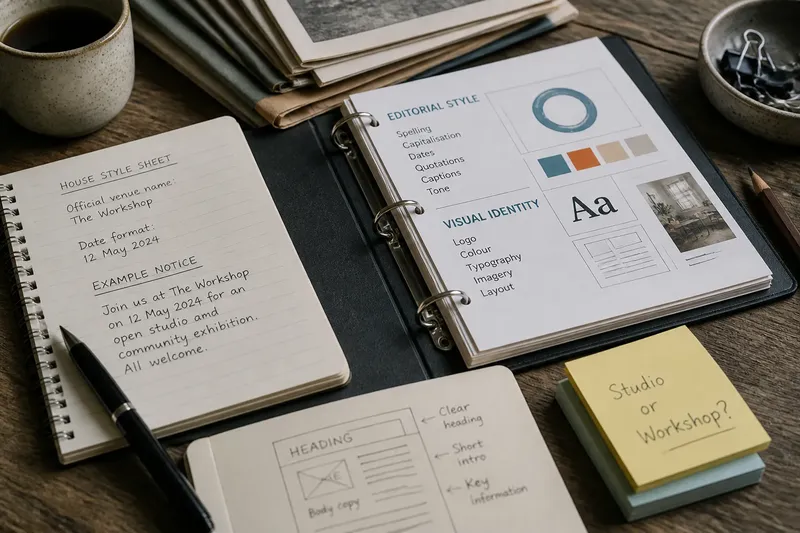
A useful line has two layers: its literal meaning and its extra effect. A pun might add warmth, rhythm or a memorable image, but the literal message should still be recoverable without that extra layer. If a reader cannot tell what is being offered or asked, the line is doing more than one job badly.
Think of wordplay as a coloured tab on a file folder. The tab helps you spot the folder, but it cannot replace the label that tells you what is inside. A memorable phrase can attract attention; a plain supporting line should carry the practical information.
This does not mean every message needs a dull, literal headline. It means the cleverness should point towards the meaning rather than compete with it. The question is not simply, “Is this line amusing?” Ask, “What will someone understand before they stop to admire it?”
When readers take it literally
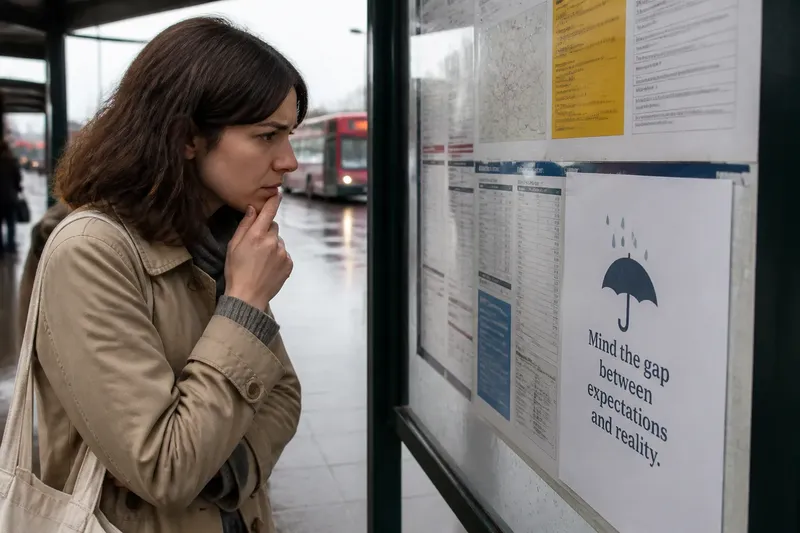
A phrase can seem obvious to its writer because the intended meaning is already in mind. Readers do not have that advantage. They may take an expression at face value, particularly when it appears on a public sign, a service notice or a message that sounds like an instruction.
The cause is often a mismatch between tone and context. A playful line may appear beside information about a serious task, or a metaphor may suggest an action that the organisation does not actually want. The more consequential the reader’s next decision, the less room there is for wording that can be read in conflicting ways.
Try stating the action in ordinary language beside the playful line. If the plain sentence changes the apparent meaning, the original is not safe to carry the message alone. If a notice concerns health, money, law or safety, use direct wording and seek appropriate professional advice where the subject requires it; humour should never make an important instruction less clear.
When the pun needs decoding
Some wordplay depends on a sound-alike, a familiar expression or a reference that readers may not share. A writer can recognise both meanings at once, while a reader sees only an odd phrase. This is especially likely when the wording is new, the reference is local, or the audience includes people with different language backgrounds.
Look for signs of extra mental work. Does the reader need to reread the line, guess which word is being altered, or supply missing context? A brief pause can be part of the pleasure of a joke, but it is a problem if the same pause delays understanding of the actual message.
Try replacing the pun with the direct meaning, then compare what each version communicates on first reading. If the direct version reveals information that the clever one concealed, keep the direct phrase in the main position. The wordplay might still work as a secondary heading or decorative detail, provided it does not carry essential information.
When the joke steals focus
A line can be perfectly understandable and still pull attention away from its purpose. Readers may remember the joke but forget the date, action or central point that followed it. This happens when the joke has more surprise, emotional force or visual emphasis than the information it is meant to support.
Consider where the phrase sits and what surrounds it. A pun in a large headline will dominate a quieter explanatory sentence. If the headline’s punchline becomes the natural thing to quote, the message beneath it may be doing too little work, or the joke may be doing too much.
Try reducing the joke’s prominence rather than immediately deleting it. Place the direct message first, or use the playful line as a small sign-off after the reader has understood the point. Then check whether the order feels natural: the reader should not have to pass through a riddle to reach the useful part.
When tone sends mixed signals
Wordplay carries a social tone as well as a meaning. A pun may feel friendly to its author but flippant to someone dealing with a frustrating process. A phrase can also sound smug, childish or sales-driven without those effects being intended.
The usual cause is judging the wording from the writer’s position rather than the reader’s. Writers know why the joke was chosen and may hear its warmth. A reader meeting it for the first time has only the words, the situation and whatever mood they bring.
Try reading the line beside the actual information it introduces. Ask what feeling the wording suggests and whether that feeling fits the moment. If the subject involves a delay, an error or a difficult request, a plain, respectful sentence may be more considerate than a joke, even if the joke is easy to understand.
A clarity check
Use these checks on the phrase and the information around it. The point is not to ban wordplay; it is to find out whether the line can carry its share of the message.
- Name the message. Write down what the reader should know or do in plain words. If the clever line suggests something different, revise it or remove it.
- Read it without context. Show the line on its own to someone who has not heard the explanation. Ask what they think it means, without prompting them towards the intended pun.
- Check the first reading. Notice whether the reader immediately grasps the practical point or stops to decode the wording. If they decode first, make the meaning more direct.
- Look for a competing interpretation. Ask whether the phrase could be taken literally or imply a promise, instruction or joke that was not intended. Add plain wording if the alternative reading matters.
- Compare the emphasis. Check whether the joke is louder than the useful detail in size, placement or tone. Move the direct message forward if it is being overshadowed.
- Check the audience fit. Consider whether the pun depends on a local expression, cultural reference or specialised vocabulary. Replace it if readers who lack that background would be left out.
What should you do when a pun is unclear?
Should I remove every pun?
No. Keep wordplay when it reinforces the intended meaning and suits the situation. If it needs a separate explanation before readers understand the message, choose a clearer line.
Can a tagline be playful and clear?
Yes, if the tagline gives a strong enough cue to the subject and nearby copy makes any practical offer or action plain. Do not make readers infer important details from a joke.
How can I check a phrase with readers?
Show the wording without explaining it and ask what the reader thinks it means or expects to happen next. Their first interpretation is more useful than an answer reached after you describe the intended joke.
What if the joke is the memorable part?
That can be useful if the reader also remembers the point attached to it. If people recall the punchline but cannot say what the message asked them to know or do, give the direct message more prominence.
Keep the useful part
Say you are drafting a library notice for a book-return point and write, “Give your books a second chapter.” The line may suggest reuse or a new reading life, but it does not tell someone where to return a book. Keep it as a small heading only if a nearby sentence says, “Return borrowed books in the box by the entrance.” The reader can enjoy the phrase without having to guess what to do.
This is the practical test of the clever-phrase trap: can the message still be understood when the wordplay is ignored? If yes, the phrase may be adding useful character. If no, put the direct meaning first and let any joke follow. A line can be memorable without making the reader work to discover what it says.